
The short answer
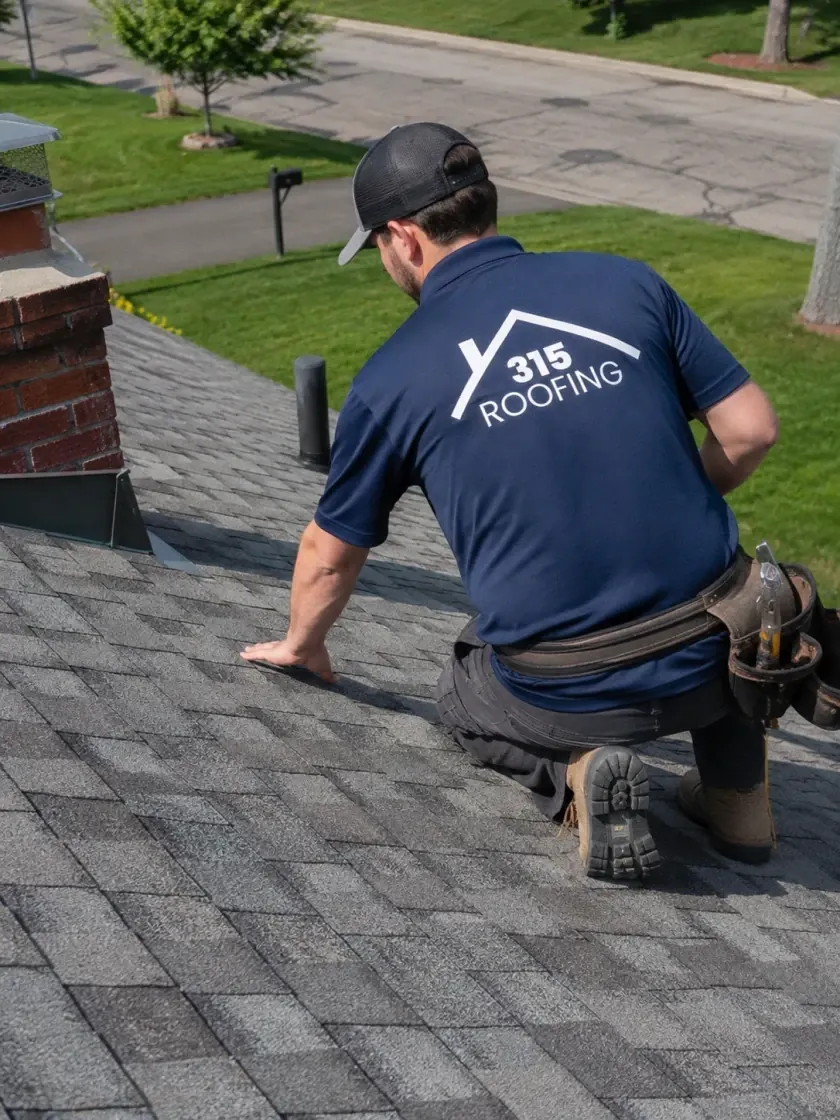
A roof inspection is a close look at the roof surface, the flashing and everything that passes through the roof, plus the attic underneath where it can be reached. The inspector looks for worn or damaged shingles, failed flashing, leaks, soft decking and ventilation problems, and takes photos. Afterward you should get those photos and a plain explanation of what was found, and, if work is needed, a written quote that says what will be done.
Why have a roof inspected
Most people call for an inspection because something prompted it: a brown patch on a ceiling, shingles blown into the yard, ice along the eaves, or a roof that just looks tired. Others want a baseline before they buy or sell a house, or before a winter they are worried about.
Whatever the reason, the purpose is the same. You want to know the condition of the roof from someone who has actually been on it and in the attic, with evidence you can see for yourself. An inspection that ends with a verbal opinion and a price, and nothing to show for it, leaves you guessing.
What gets checked on the roof
The outside of the inspection covers the whole roof, not only the spot you are worried about, because problems on a roof are often connected.
The shingles
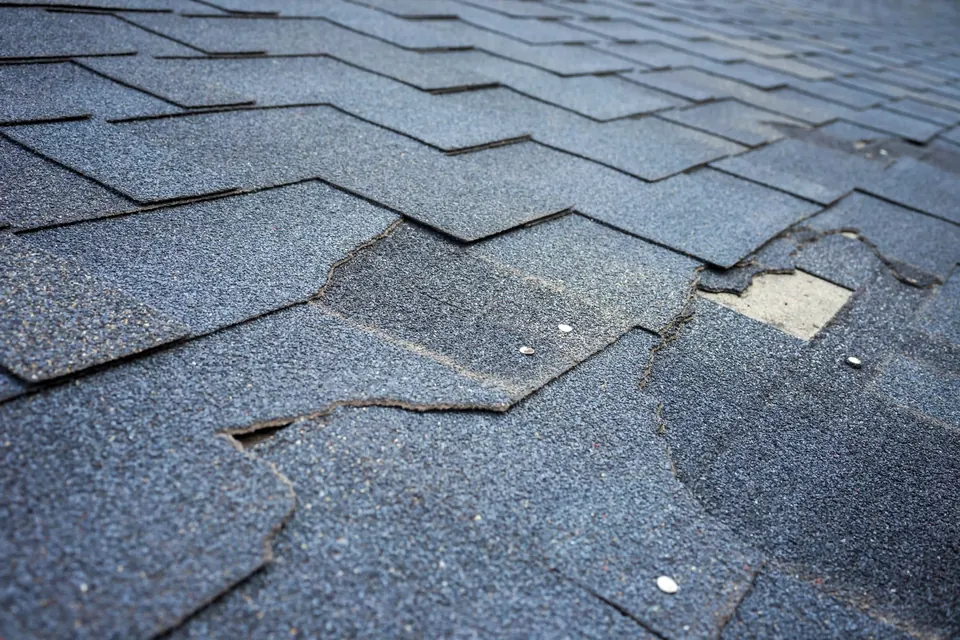
Shingles are checked for granule loss, curling, cupping, cracking and brittleness, and for missing, lifted or creased shingles left by wind. Hail leaves bruises and dark spots where granules have been knocked off. The inspector also looks at whether the shingles were installed properly, including how they are nailed and how they lie at the edges and ridge.
Flashing and penetrations
Flashing is the metal that seals the joints where the roof meets something else. The inspection covers chimney flashing, step flashing along walls and dormers, valley linings, and the drip edge at the eaves and rakes.
Every penetration gets a look too: plumbing vent pipes and their rubber boots, bathroom and kitchen exhaust vents, and roof vents. These details are where most leaks on a shingle roof begin.
Ventilation, edges and gutters
The ridge vent or roof vents are checked, along with the soffit vents under the eaves, because a roof needs both intake and exhaust.
At the edges, the inspector looks for rot in the fascia and deck, signs of ice dams, and how the gutters are attached and draining. Soft or spongy areas underfoot point to wet or weakened decking below.
What gets checked in the attic
The attic shows things the roof surface cannot. From inside, the underside of the deck and the rafters tell the story of any water that has been getting in, often well before it reaches a ceiling.
- Water marks, dark streaks or staining on the roof boards and rafters
- Daylight showing through the deck, especially around chimneys and vent pipes
- Wet, matted or uneven insulation
- Frost on the nails or the underside of the deck in cold weather, which points to warm, moist air reaching the attic
- Mold or a musty smell
- Blocked soffit vents, missing baffles, or bath fans that vent into the attic instead of outside
Not every attic can be reached. Finished attic rooms, cathedral ceilings and tight crawl spaces limit what can be seen from inside, and a good inspector will tell you which parts were not checked rather than assume they are fine.
Photos: the part you should insist on
You cannot see most of your roof from the ground, and you should not be climbing up to look. Photos close that gap. They should show the problem areas up close, enough of the surrounding roof to place them, and the general condition of each slope, so you understand both the specific damage and the big picture.
315 Roofing photographs what is found during the inspection and shows you the pictures. That way a recommendation to repair a pipe boot, rebuild chimney flashing or replace the roof comes with the reason attached, and you can judge it for yourself or share it with someone else in the house.
What you get afterward
When the inspection is done, you should come away knowing three things: what condition the roof is in, what, if anything, needs to be done about it, and how urgent it is.
With 315 Roofing, the inspection is free. You see the photos. When work is needed, a written quote that spells out the scope and materials follows within 24 hours. Sometimes the answer is a targeted roof repair.
Sometimes the shingles are worn out and a replacement is the honest answer. Sometimes the roof is fine and nothing needs doing yet, and that is worth knowing too. Work that is done carries a 10-year workmanship warranty.
A written quote matters because it can be compared, checked and kept. It should say what is being repaired or replaced, what materials are being used, and what is included, so there is no confusion later about what was agreed.
How to prepare for the inspection
There is not much you need to do, but a few things make the visit smoother and the findings more useful.
- Write down what prompted the call: where the stain is, when the leak drips, whether it happens in rain, wind-driven rain or during a thaw.
- Gather any photos you took of stains, drips or storm damage, with dates.
- Clear a path to the attic hatch or pull-down stairs, and move boxes away from the area under a known leak.
- Leave room in the driveway or along the house for a ladder to be set up.
- Keep pets inside or away from the work area.
- If you know the roof's age, any past repairs, or whether there is more than one layer of shingles, have that ready.
You do not need to be on the roof, and you should not be. If you want to follow along, the photos will show you what the inspector saw.
Questions worth asking
- Where exactly is the water getting in, and how do you know?
- Is this a problem in one place, or is the whole roof wearing out?
- What in the attic, if anything, is contributing to the problem?
- Which parts of the roof or attic could not be checked?
- What does the warranty cover on the work you are quoting?
Clear answers to these, backed by photos, are what a good inspection should give you. If you are weighing whether to fix or replace, our guide on roof repair or replacement walks through how to decide.